

Rubbish collection Englands Lane Belsize Park flats
Posted on 10/08/2026
If you live in a flat on Englands Lane, rubbish can become awkward faster than you'd think. One small pile near the hallway, a bulky chair by the bin store, a few black bags waiting for "later" and suddenly the place feels cluttered. Rubbish collection Englands Lane Belsize Park flats is really about solving that everyday problem in a tidy, reliable way: getting waste out of a shared-building setting without upsetting neighbours, blocking access, or creating a mess in common areas.
That sounds simple, but flat living changes the job. Stairs matter. Lift access matters. Bin store rules matter. And if you're dealing with furniture, renovation debris, or a full flat clear-out, timing matters too. In this guide, we'll walk through how rubbish collection works in Belsize Park flats, what to watch for, how to avoid common mistakes, and how to choose the right approach for a busy London street where space is always at a premium.
Why Rubbish collection Englands Lane Belsize Park flats Matters
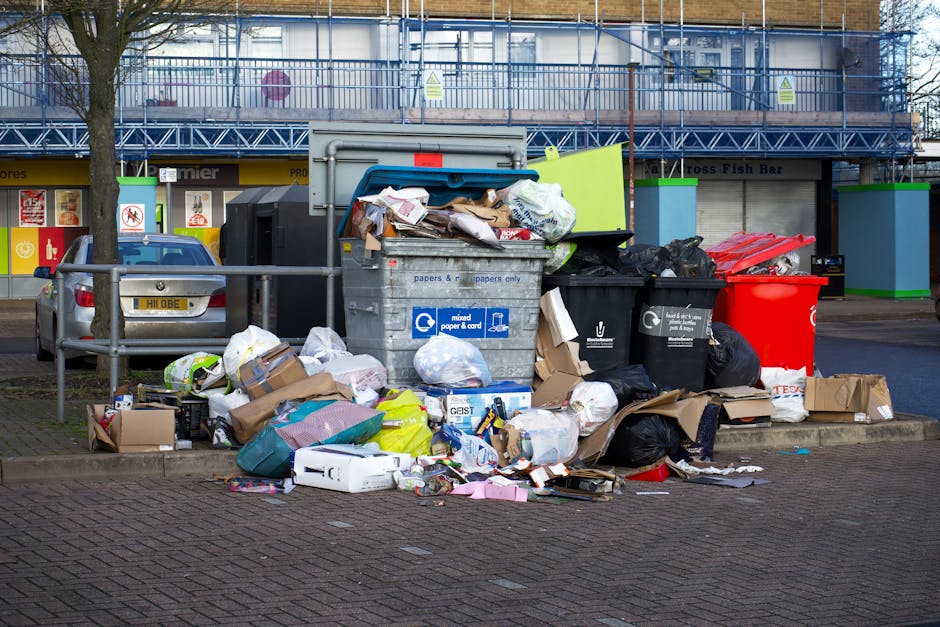
Flat clearances in this part of Belsize Park are not just about "getting rid of stuff". They affect how a building functions day to day. In a shared property, rubbish left in the wrong place can create odours, block access, attract pests, and cause very real friction with neighbours. Let's be honest: nobody enjoys stepping over a sofa leg on a landing on a Tuesday morning.
Englands Lane is a busy local route, and many flats nearby have the kind of layout that makes waste handling more delicate than a house on a quiet side street. Narrow stairwells, controlled entrances, intercoms, parking limits, and shared bin areas all influence how collection should be handled. If you are trying to clear a flat efficiently, you need a process that respects the building and the people in it.
This matters even more if you are a landlord, letting agent, tenant at the end of a tenancy, or owner preparing a property for sale. A clean, empty, ready-to-view flat makes life easier. If you are navigating a move, the articles on moving to Belsize Park and the local property market are useful companions to this topic because waste clearance often sits right in the middle of a move timeline.
Expert summary: In flats, good rubbish collection is less about brute force and more about timing, access, communication, and leaving the building exactly as you found it - only cleaner.
How Rubbish collection Englands Lane Belsize Park flats Works
For most flats, the process starts with identifying what type of waste you have. That matters because mixed household rubbish, bulky furniture, builders' waste, and old appliances are handled differently. A reliable collection service will usually ask for a quick description, photos, or a rough volume estimate. That is not fussiness; it helps avoid delays and misquotes.
In practice, collection from a flat often follows a simple pattern:
- Assessment - you describe the items, access, floor level, and any restrictions.
- Scheduling - a collection time is arranged around your building's rules and your availability.
- Arrival and access check - the team confirms parking, entry, and the safest route.
- Removal - items are taken out carefully to protect walls, lifts, and shared spaces.
- Sorting and loading - reusable, recyclable, and general waste may be separated where possible.
- Clear finish - the area is left tidy, with no loose debris or forgotten items.
The detail that often gets overlooked? Access. A second-floor flat with no lift is a different job from a ground-floor maisonette with direct courtyard access. Even small things, like whether there is enough room for a trolley in the hallway, can affect how smoothly the job goes. If the collection includes heavy pieces, it may be worth checking related options such as furniture disposal in Belsize Park or broader waste clearance support for larger mixed loads.
There is also a difference between scheduled rubbish collection and same-day removal. Same-day can be helpful when you are up against a moving deadline or a landlord inspection, and it is especially useful near tight local routes. A practical read on same-day rubbish removal near Belsize Park Tube Station gives a good sense of why speed sometimes matters more than convenience.
Key Benefits and Practical Advantages
The biggest benefit is obvious: you get the waste out. But the real value is in what that unlocks. A cleaner flat feels bigger. A clear hallway feels calmer. A cleared bin area means fewer complaints from neighbours and fewer awkward messages from a managing agent. You know the kind.
- Better use of space - flats feel cramped quickly, so removing unwanted items makes a visible difference.
- Less stress during moves - sorting waste early keeps the final moving day under control.
- Safer common areas - less clutter reduces trip hazards in stairwells and corridors.
- More suitable for shared buildings - rubbish is handled with less disruption to neighbours.
- Clearer presentation - useful if you are selling, letting, renovating, or handing back keys.
- Better recycling outcomes - when waste is separated sensibly, more can be diverted from landfill.
There is also a softer benefit that people often mention after the job is done: mental relief. A flat with too much waste around it can feel oddly heavy. Remove the clutter and the room changes character. It sounds a bit dramatic, maybe, but most people recognise the feeling straight away.
If you care about responsible disposal, have a look at the site's recycling and sustainability approach. That kind of mindset matters when you're choosing how to handle mixed household items, packaging, or old furnishings.
Who This Is For and When It Makes Sense
This service is a good fit for several real-world situations. Some are obvious, others less so. A lot of people only think about rubbish collection when the pile is already in the way, but there are smarter times to plan it.
Common users
- Tenants clearing a flat before check-out.
- Landlords preparing a property for new occupants.
- Homeowners doing a long-overdue declutter.
- Letting agents coordinating turnaround between tenancies.
- Buyers and sellers getting a flat ready for sale or completion.
- Anyone with bulky waste that will not fit in normal building bins.
When it makes sense
- After a move or before moving day.
- After a refurbishment or DIY project.
- When shared bins are full and the building needs a clean reset.
- When furniture or appliances are too heavy for you to handle safely.
- When you want a quick, one-off clear-out rather than a long-term arrangement.
For people sorting through a whole flat, especially in older Belsize Park buildings, the line between rubbish collection and a fuller clearance can blur quickly. If that sounds like you, the broader service pages for house clearance and loft clearance may help you compare options in a practical way.
Step-by-Step Guidance
Here's the cleanest way to approach rubbish collection for a flat on Englands Lane. Nothing fancy. Just a process that avoids the usual headaches.
- Sort everything into rough categories
Separate general rubbish, reusable items, electronics, bulky furniture, and anything that may need extra care. You do not need museum-grade organisation here. Just enough clarity to avoid confusion on the day. - Check your building rules
Some flats have booking windows for lifts, restrictions on moving items through communal areas, or requirements around bin storage. If there is a concierge or managing agent, a quick message can prevent a lot of hassle later. - Measure awkward items
Door frames, stair turns, lift dimensions, and landing width all matter. If a mattress or wardrobe is a tight squeeze, the route should be planned before collection day. - Take photos if you are getting a quote
Good photos reduce surprises. Include the items, the access route, and any parking or loading constraints. One slightly crooked phone picture is usually enough. - Clear the path
Move smaller items, shoes, trays, and loose objects out of the way. It sounds minor, but it helps the team work faster and lowers the chance of scuffs. - Confirm timing
Choose a slot that fits around neighbours and busy periods. Early mornings can be useful, but check noise considerations. A mid-morning collection is often a safer bet in shared buildings. - Walk through the result
Once the collection is done, check corners, cupboards, and under counters. People often forget a single bag or box tucked behind a door. It happens all the time.
A little planning goes a long way. Truth be told, most "problem jobs" are not really difficult jobs - they are just jobs where the waste was left to accumulate until the logistics got messy.
Expert Tips for Better Results
These are the little things that save time, money, and arguments. In flat work, tiny details become big details very quickly.
- Group similar items together so the team can load efficiently.
- Keep heavy items accessible rather than buried behind lighter bags.
- Tell the truth about access - stairs, parking, permits, and lift restrictions should never be guessed.
- Protect shared areas with sensible handling, not DIY dragging. Carpet and painted walls notice everything.
- Separate anything reusable if you want a more responsible clearance outcome.
- Book before peak moving periods if you can, especially around month-end when flat turnover tends to spike.
One small but useful tip: if you are dealing with a flat that has sat empty for a while, open windows before collection if it is safe to do so. Stale air, old packaging, and dust can make the place feel worse than it really is. Fresh air helps.
And if the job involves bulky household items rather than loose rubbish, you may want to compare dedicated services such as furniture disposal in Belsize Park and the broader services overview to see what fits best. That kind of comparison helps avoid over-ordering a service you do not need.
Common Mistakes to Avoid
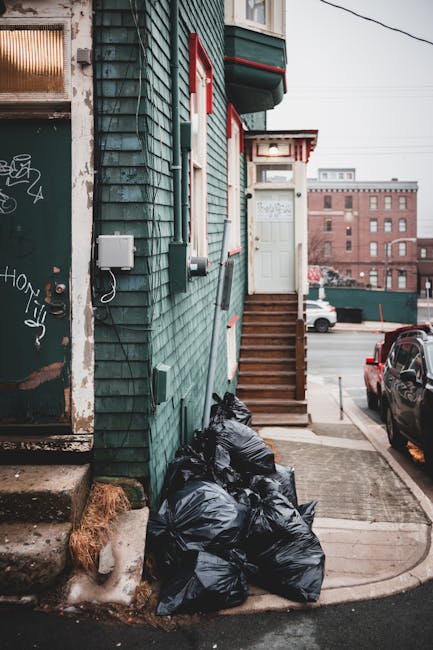
Most issues with rubbish collection in flats are predictable. That is the good news. The bad news is people keep making the same few mistakes.
- Leaving everything until the last minute - the pile becomes bigger, heavier, and somehow more annoying overnight.
- Assuming bins are enough - they often are not, especially for furniture, renovation offcuts, or post-move waste.
- Ignoring shared access issues - a "quick job" can go sideways if the lift is booked or the entrance is restricted.
- Forgetting about bulky waste - mattresses, wardrobes, old desks, and broken shelving are not the same as bagged rubbish.
- Mixing everything together - this makes sorting slower and can affect how items are handled.
- Not checking building etiquette - in a flat block, a bit of courtesy prevents complaints. Simple as that.
There is one more mistake that deserves its own mention: underestimating time. A flat clearance can take longer than expected because hallways are narrow, items have to be moved carefully, and there may be more sorting than you first realised. Better to budget a little extra time than to race the clock and get frustrated halfway through.
Tools, Resources and Recommendations
You do not need a van full of gear to organise rubbish collection, but a few basic tools and habits make the process much smoother.
Useful tools
- Heavy-duty bin bags for loose household waste.
- Labels or marker pens to separate keep, donate, and remove piles.
- Gloves for lifting dusty or awkward items.
- Measuring tape for doors, hallways, and larger items.
- Phone camera for photo-based quotes and job planning.
Helpful planning resources on this site
- For broader local disposal support, see rubbish collection in Belsize Park.
- For larger or mixed loads, the waste clearance page is a useful starting point.
- If the job involves renovation debris, compare with builders waste disposal.
- For broader local context around the area, the article on Belsize Park as a peaceful haven in lively London gives a nice sense of the neighbourhood.
When you are comparing options, look beyond the headline price. Ask yourself: Will they handle the access neatly? Can they work around the building? Do they communicate clearly? Those questions save more time than any shiny sales line ever will.
Law, Compliance, Standards, or Best Practice
Waste handling in the UK is governed by a mix of general legal duties and practical best practice. I'll keep this plain and careful. If rubbish is collected from a flat, the most important thing is that it is handled responsibly, transported properly, and disposed of through legitimate channels. That is the baseline expectation.
For residents, the practical takeaway is simple: avoid fly-tipping, do not leave waste where it blocks communal access, and make sure the service you use can deal with waste in a lawful way. If you are clearing a rental property, it is also wise to keep a basic record of what was removed, especially if you are handing work over on behalf of a landlord or agent.
Best practice in shared buildings usually includes:
- working within building access rules,
- protecting communal areas from damage,
- sorting items sensibly for recycling where possible,
- avoiding disruption to neighbours,
- and using a provider that takes safety seriously.
If you want reassurance about safety and business standards more generally, the site's insurance and safety information and terms and conditions are worth reading before you book anything. That is just sensible, really.
For larger projects, especially where there is a handover between parties, it can help to understand how the company handles customer information and payments. Those pages are there for trust-building and practical transparency, not decoration.
Options, Methods, or Comparison Table
There is more than one way to deal with flat rubbish. The right choice depends on volume, urgency, access, and how much lifting you want to do yourself. Here's a straightforward comparison.
| Method | Best for | Pros | Watch-outs |
|---|---|---|---|
| DIY bagging and bin use | Small, regular household waste | Simple, low effort, no booking needed | Not suitable for bulky items or excess waste |
| One-off rubbish collection | Mixed bags, bulky items, quick clear-outs | Convenient, flexible, fast | Needs accurate description and access planning |
| Full waste clearance | Flat moves, end-of-tenancy clearances, larger volumes | Good for bigger jobs and mixed contents | Can be more than you need for small loads |
| Specialist disposal | Furniture, builders waste, appliances, loft contents | Handles awkward or category-specific waste well | May need clearer item details in advance |
In many flats, the sweet spot is somewhere between one-off rubbish collection and a broader clearance. If you are only getting rid of a few bags, do not overcomplicate it. If you have a corridor full of furniture and odds and ends from years of living, the simpler route is usually the fuller service. No shame in that.
Case Study or Real-World Example
Imagine a typical flat on Englands Lane: second floor, shared entrance, a narrow stairwell, and a small lift that can take some items but not all. The occupier is moving out at the end of the week and has a few black bags, a bedside table, an old desk, a broken fan, and a mattress that has seen better days. Not terrible, but awkward enough.
The first instinct is often to try to move everything in one go. But after measuring the lift and checking the stairs, the occupier realises the mattress will need careful handling and the desk may be easier to take apart. The bins downstairs are already half full, so leaving anything there would just create a problem for the rest of the block.
So the job gets broken into steps: bags are separated, the desk is made easier to carry, the route is cleared, and collection is scheduled for a quieter mid-morning slot. The team can access the flat without blocking the hallway for long, the communal space stays tidy, and the occupier is able to hand back the flat without the usual last-minute panic. Very ordinary, really - which is exactly why it works.
If the same occupier also needed to dispose of bulky items like shelving or old seating, a dedicated furniture service would make sense. If they were clearing out cupboards, storage, and several rooms, a more complete option would be better. The key is matching the method to the actual job, not the emotional drama of the moving week. Because moving week always has a bit of drama, doesn't it?
Practical Checklist
Use this quick checklist before booking or carrying out rubbish collection from a flat on Englands Lane.
- List the items you want removed.
- Separate bulky items from bagged waste.
- Measure large items and tight access points.
- Check building rules for lifts, entrances, and bin stores.
- Ask whether parking or loading needs to be arranged.
- Take clear photos if you need a quote.
- Decide whether you need collection, clearance, or specialist disposal.
- Keep hallways and doorways clear before the team arrives.
- Remove valuables, documents, and anything you want to keep.
- Do a final walk-through after the job is complete.
If you tick most of those boxes, the day usually runs much more smoothly. It's the small preparation that saves you the stress.
Get a free quote today and see how much you can save.
Conclusion
Rubbish collection for Englands Lane Belsize Park flats is really about making shared living easier. Done well, it keeps buildings tidy, protects communal spaces, and takes pressure off busy move days or renovation projects. Done badly, it turns into a small local headache that everyone can feel. There's the difference.
The best results usually come from simple planning: know what needs removing, understand your access, choose the right type of service, and don't leave it until the flat has become uncomfortably full. A bit of care at the start saves a lot of effort later. And if you are comparing related options for other parts of the home or building, the site's pages on office clearance and garden waste removal can help you think through the broader picture too.
In a neighbourhood like Belsize Park, where homes are close together and space is precious, tidy waste handling is just part of living well. A clear flat feels calmer. A clear hallway feels kinder. And that matters more than people admit.

 Tipper Van - Waste Clearance and Rubbish Removal Prices in Belsize Park, NW3
 Luton Van - Waste Clearance and Rubbish Removal Prices in Belsize Park, NW3

